speakers Friday 12 march
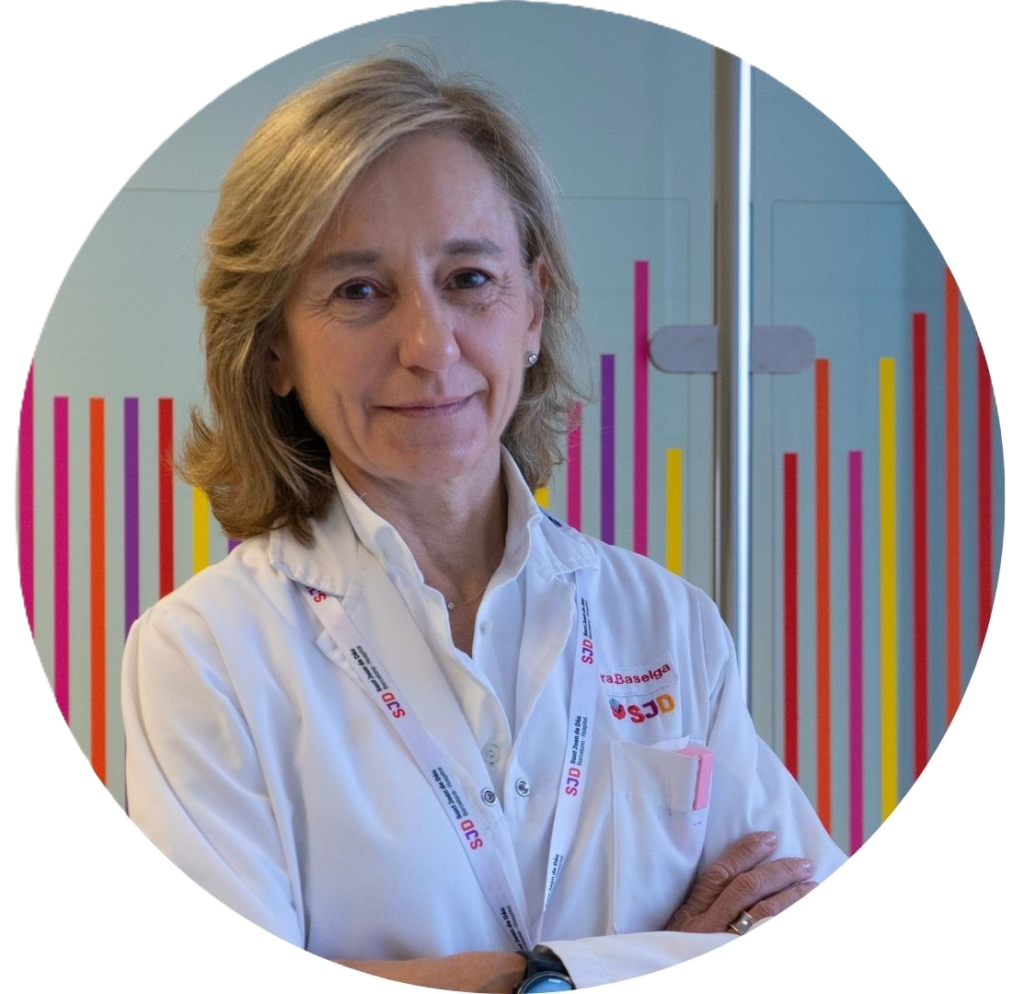
Eulalia Baselga
Head of the Department of Dermatology, Hospital Sant Joan de Déu, Co-leader of the Vascular Tumors and Malformations Research Group, Institut de Recerca Sant Joan de Déu. Associate Professor, University of Barcelona; Spain
Eulalia Baselga, MD, PhD, is Head of the Department of Dermatology at Hospital Sant Joan de Déu Barcelona and Associate Professor at the University of Barcelona. She is a pediatric dermatologist with a longstanding clinical and research focus on vascular anomalies, including infantile hemangiomas, vascular malformations, and mosaic overgrowth syndromes. She coordinates the multidisciplinary vascular anomalies clinic at Hospital Sant Joan de Déu and co-leads, together with Sandra Castillo, the Vascular Tumors and Malformations Research Group at the Institut de Recerca Sant Joan de Déu. Her research focuses on the genetic and molecular basis of vascular anomalies, genotype–phenotype correlations, natural history, patient-reported outcomes, and targeted therapies. She is actively involved in European reference networks, including VASCA-VASCERN and ERN-Skin, and in international consensus initiatives in the field of vascular anomalies.
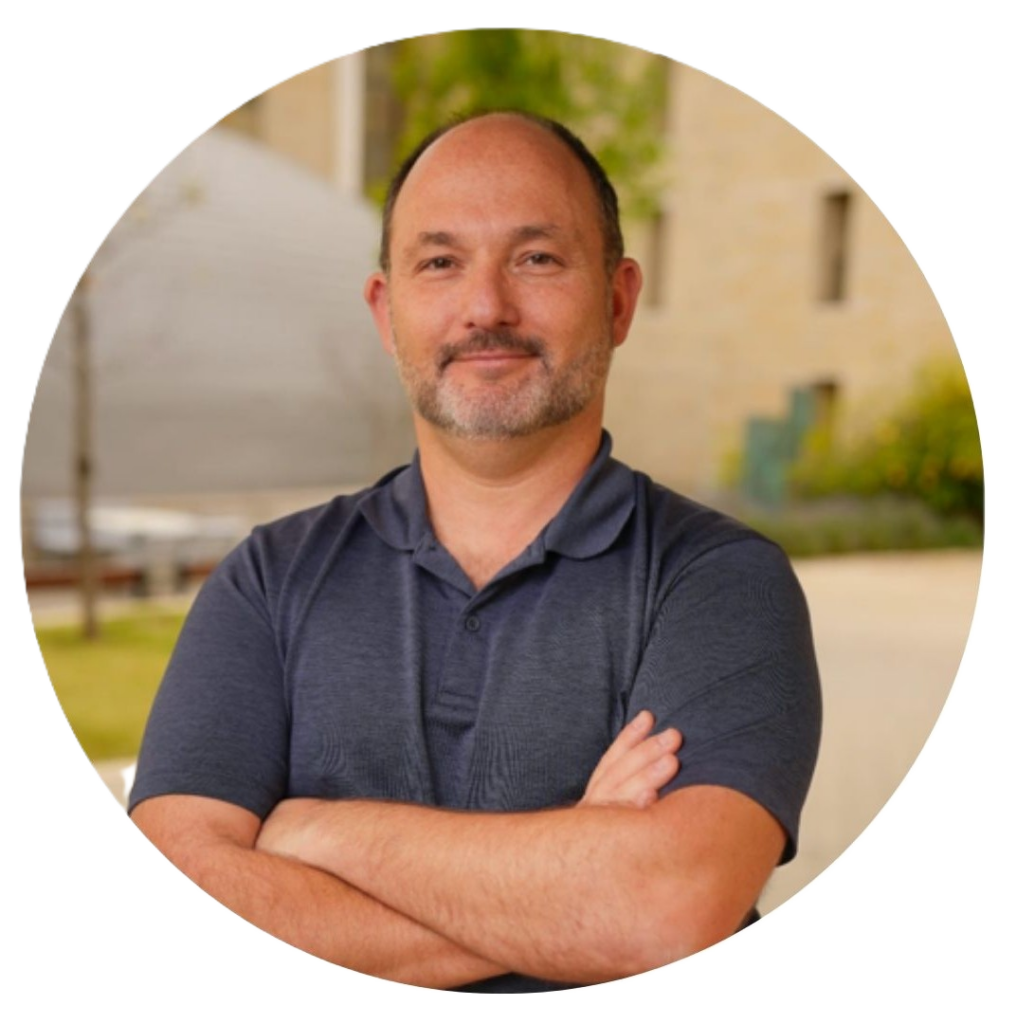
Ayal Ben-Zvi
Ayal Ben-Zvi is an Associate Professor at the Faculty of Medicine, The Hebrew University of Jerusalem. Prof. Ben-Zvi did his Ph.D on neural development and axonal guidance at the Hebrew University of Jerusalem. During his post-doctoral studies, at Harvard Medical School he studied aspects of Blood Barin-Barrier (BBB) developmental and uncovered mechanisms regulating transcytosis. Since 2014 his group is studying brain barriers in the context of development, physiology and pathophysiology, and pioneering the use of Super-Resolution microscopy as a robust approach for discovery of unique barrier structures. Other interests of his group are the pathological entry of immune cells into the CNS via the Blood-CSF-Barrier in autoimmune diseases, and the development of new strategies for CNS drug delivery.
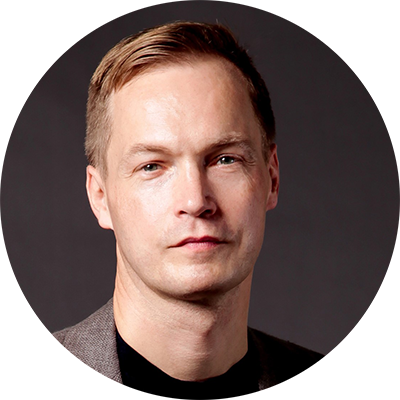
Michael Potente
Professor of Vascular Biomedicine, Berlin Institute of Health at Charité (BIH) & Max Delbrück Center for Molecular Medicine (MDC), Germany
Michael Potente is Professor of Vascular Biomedicine at the Berlin Institute of Health at Charité (BIH) and the Max Delbrück Center for Molecular Medicine (MDC). In addition to his academic appointments, he is a practicing physician at the German Heart Center of Charité (DZHC), where he serves as an interventional cardiologist. An elected EMBO Member, he has received several prestigious awards and distinctions, including the Louis N. and Arnold M. Katz Basic Science Research Prize, the Galenus-von-Pergamon Prize, and the Judah Folkman Award. His research focuses on the fundamental mechanisms of vascular development and disease, with particular emphasis on metabolic regulation and emerging technologies, including targeted protein degradation.

Mark Khan
Cooper-McLure Professor of Medicine and Director of the Center for Vascular Biology; Cardiovascular Institute, University of Pennsylvania Perelman School of Medicine, USA
Dr. Mark Kahn is the Cooper-McLure Professor of Medicine and the Director of the Center for Vascular Biology, Cardiovascular Institute, at the University of Pennsylvania Perelman School of Medicine. He trained in Medicine and Cardiology at the University of San Francisco, and then joined the faculty of University of Pennsylvania Perelman School of Medicine in 1999. In 2009 he became a Professor in the Perelman School of Medicine, and in 2015 he was awarded the Cooper-McLure Chair in Medicine, University of Pennsylvania. Dr. Kahn serves as Chair to the Vascular Cell Biology Gordon Research Conference, as well as advising many other organizations.
Dr. Kahn is a practicing cardiologist with a full-time laboratory that studies cardiovascular development and function. His group has made seminal discoveries in a number of areas of cardiovascular biology and development, including lymphatic vascular development, development of cardiac valves, cerebral cavernous malformation, and clotting mechanisms in both blood and lymph. Their approaches most often utilize mouse genetic models to better understand developmental processes and investigate the basis of human vascular diseases. Work in his lab has led to the creation a new device to prevent venous clot formation in hospitalized patients and the creation of an anti-lymphothrombotic therapy to treat inflammatory bowel disease.
Dr. Kahn’s studies have been widely recognized both nationally and internationally and have been funded by the National Institutes of Health, the Leducq Foundation, and the American Heart Association. He has been a mentor to many outstanding graduate students and post-doctoral fellows in his laboratory who have become highly successful independent scientists and physician scientists.
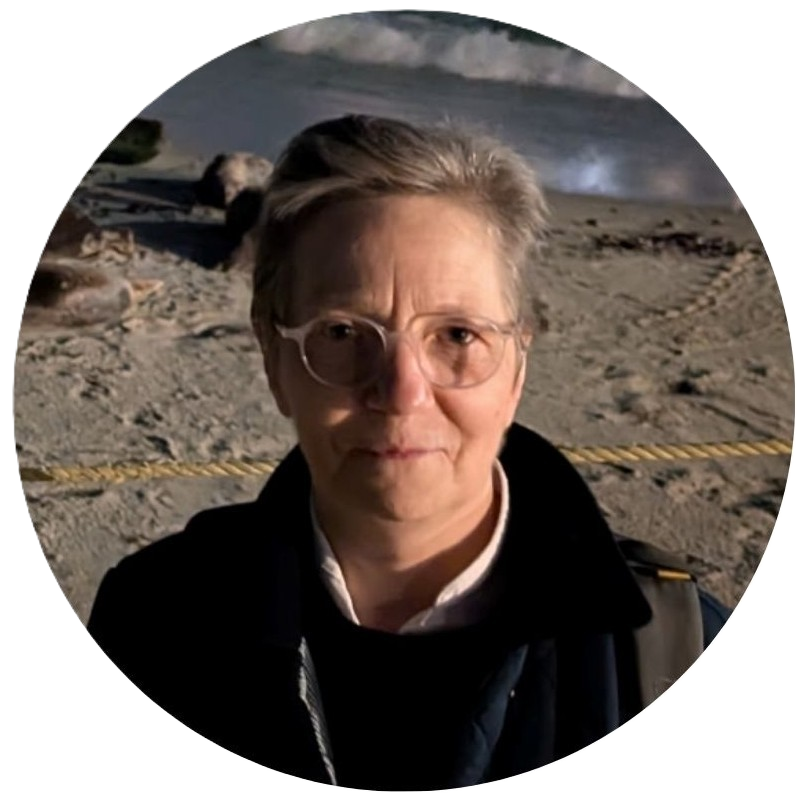
Anne Joutel
Institute of Psychiatry and Neuroscience of Paris, INSERM, France)
Anne Joutel, MD, PhD, is a clinician-scientist trained in neurology and neurogenetics. She is a Research Director at Inserm and leads the Pathogenesis of Cerebral Small Vessel Diseases research group at the Institute of Psychiatry and Neurosciences of Paris, France. Her research aims to elucidate the cellular and molecular mechanisms underlying cerebral small vessel disease (cSVD), a heterogeneous group of disorders affecting the brain small blood vessels that collectively account for approximately 25% of ischemic strokes, most spontaneous intracerebral hemorrhages, and a major proportion of vascular cognitive impairment and dementia. Her laboratory uses monogenic forms of cSVD, in which mutations in a single gene cause disease, as powerful models to uncover the fundamental mechanisms driving small vessel pathology and to identify new therapeutic targets.