speakers friday 3 february

Tatiana Petrova
Professor of Oncology in the department of Oncology, University of Lausanne, Switzerland
Tatiana (Tanya) Petrova is a Professor and a Deputy director at the Department of Oncology at the University of Lausanne. Tanya graduated in chemistry from Moscow State University and received her PhD from the University of Geneva. She did her postdoctoral work in the laboratory of Linda Van Eldik at Northwestern University and with Kari Alitalo at the University of Helsinki, where she studied mechanisms of lymphangiogenesis. She started her group in Helsinki before moving to Lausanne in 2008. Her research focuses on understanding the molecular and cellular mechanisms underlying the heterogeneity of endothelial cells and the functions of organ- and disease-specific lymphatic and blood vessels.

Michael Dellinger
Associate Professor in the Departments of Surgery and Molecular Biology at UT Southwestern Medical Center, Dallas, USA
Dr. Michael Dellinger completed his graduate work at the University of Arizona and his postdoctoral studies at UT Southwestern Medical Center. His laboratory uses in vitro and in vivo models to study complex lymphatic anomalies. One of their accomplishments is the development of novel animal models that have provided mechanistic insight into the pathogenesis of Gorham-Stout disease (GSD) and generalized lymphatic anomaly (GLA). This work is helping enable a precision medicine approach for the treatment of these life-threatening diseases.
He is also the Director of Research for the Lymphatic Malformation Institute, a non-profit organization that funds research on complex lymphatic anomalies (www.lmiresearch.org). He works closely with The Lymphangiomatosis & Gorham’s Disease Alliance (LGDA) and is the Research Leader for a Rare as One Project with the LGDA and the Chan-Zuckerberg Initiative (CZI).

Denise Adams
Director of the Comprehensive Vascular Anomalies Program at Children’s Hospital of Philadelphia, USA
Dr. Denise Adams is a pediatric hematologist-oncologist actively engaged in clinical and translational research on complex vascular anomalies. She has long been recognized as a leader in this field. She regularly publishes studies in leading journals and has received numerous awards for her teaching and mentorship, as well as her research and clinical accomplishments.
Dr. Adams leads CHOP’s Complex Vascular Anomalies Frontier Program, a cutting-edge, multidisciplinary program that seeks breakthrough treatments and cures for children, adolescents and young adults with rare, life-threatening tumors and malformations of the vasculature.

Mat François
Head of the David Richmond laboratory for Cardio-Vascular Development at the Centenary Institute, University of Sydney, Australia
Mat François holds a PhD in Molecular Pathophysiology (Paris) and performed post-doctoral work at the Koopman Laboratory (The University of Queensland, IMB, Australia) on the role of SOX transcription factors in lymphatic vessel development in mammals. He set up at his research lab at the Institute for molecular bioscience (IMB, The University of Queensland) in 2012. His research program was designed at combining classic developmental biology approaches with molecular strategies from drug discovery to improve the management of the pathological vasculature via the targeting of transcription factor activity. Their work has led to the therapeutic proof of principle that SOX transcription factors are viable molecular target using small molecule inhibitors in the context of solid cancer metastasis. Further, their findings repositioned the clinical management of a rare orphan disease caused by SOX18 mutations and opened up therapeutic avenue for infantile hemangioma.
The laboratory moved to the Centenary Institute (University of Sydney, in June 2019) to establish The David Richmond Program for Cardio-Vascular Development. The group activity relies on a highly multi-disciplinary approach that combines developmental biology, molecular imaging complemented by biophysics and genomics methods. The aim of their research is to take advantage of a deep understanding of transcription factor mode of action during development to unlock new therapeutic avenues in vascular diseases.

Elisa Boscolo
Associate Professor of Pediatrics, Division of Experimental Hematology and Cancer Biology, Cincinnati Children’s Hospital Medical Center, University of Cincinnati, USA
Elisa Boscolo holds a PhD in tissue engineering from the University of Padova. She worked as researcher and instructor at Boston Children’s Hospital and Harvard Medical School. Since 2014, she works at Cincinnati Children’s Hospital Medical Center. Her overarching scientific goal is to deepen the understanding of the molecular mechanisms underlying vascular anomalies development and expansion to enable the generation of faithful murine models. This will provide solid bases for translational research aimed at the identification of targeted therapeutical approaches for affected patients. The strength of her research program at Cincinnati Children’s Hospital and University of Cincinnati is the use of patient-derived biopsies to isolate and characterize vascular cells to determine activated signaling pathways, test targeted treatments, and establish murine models of vascular anomalies to determine the mechanisms involved in the abnormal blood vessel formation and expansion. This unique field of study enabled her to establish extended collaborations with patient associations, clinicians and clinician-scientists that are the world-experts in the field of vascular anomalies. This collaborative work is cornerstone for the investigation and the identification of novel efficacious therapeutic strategies for children affected by endangering vascular tumors or malformations.
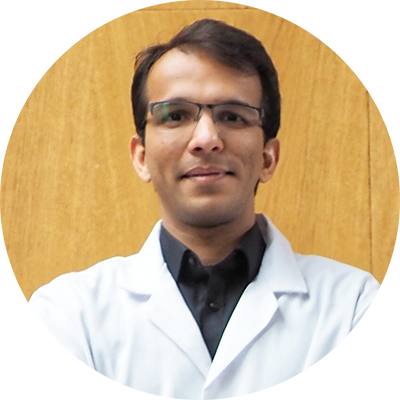
Prateek Singh
Founder and CEO of Finnadvance, Oulu, Finland
Prateek Singh is a bioengineer turned entrepreneur living in Finland. He holds degrees as an engineer in biotechnology and a master’s degree in biochemistry and protein science. He currently leads a 21-person team at Finnadvance, an EU funded startup developing platform technologies for better modeling of human diseases-on-chips, providing alternatives for reducing and replacing animal tests in drug R&D.