Keynote speakers
Anne Eichmann
Ensign Professor of Medicine (Internal Medicine-Cardiology)
Yale University, New Haven, USA
Dr. Eichmann obtained her M.Sc. at the Weizmann Institute in Rehovot, Israel, and a Ph.D. in molecular and cell biology from the Université Paris XIII. She came to Yale School of Medicine in 2010, where she now is Ensign Professor of Medicine and Professor of Cellular And Molecular Physiology.
Research in her group concerns the vascular system, its development and contribution to human pathologies. The long-term goal is to understand the cellular and molecular mechanisms controlling vascular patterning. They aim to identify key molecular events underlying angiogenesis, lymphangiogenesis and arteriogenesis and to establish the principles governing development of the vertebrate vascular system. Their studies on arteriovenous malformations that occur in hereditary hemorrhagic telangiectasia (HHT) have lead to the identification of aberrant molecular signaling pathways that may represent novel therapeutic targets to reduce epistaxis in HHT patients. The group’s work on tip cells and VEGF signaling has profoundly affected scientific thinking about vascular patterning.
Bart Vanhaesebroeck
Professor of Cell Signalling
UCL Cancer Institute, London, UK
Following a PhD in the Laboratory of Molecular Biology at Ghent University (Belgium), Bart Vanhaesebroeck performed postdoctoral studies in London at the Ludwig Institute for Cancer Research. Here, he was involved in gene cloning and biochemical characterisation of PI 3-kinase (PI3K) isoforms, leading to the discovery of the PI3K gene family. In his independent laboratory, his team developed the first so-called ‘kinase-dead’ mice, and generated the largest series of PI3K mouse models world-wide. These models allowed them and their collaborators to uncover the organimal roles of multiple PI3K family members, their potential as drug targets and to faithfully predict PI3K inhibitor activity in vivo.
A highlight of their work was the discovery of the leukocyte-enriched PI3Kdelta isoform. His team took PI3Kdelta from gene cloning and preclinical modelling to the commercial generation of PI3Kdelta-inhibitors and the development of clinical strategies to inhibit this PI3K. These studies underpinned the approval of PI3Kdelta inhibitors for leukaemia and their emerging use in solid tumour immunotherapy. His current research focuses on understanding PI3K biology in health and disease, and the development of novel ways to modulate PI3K signalling, with potential applications in oncology, cell protection and tissue regeneration, as well as cancer prevention.
Bart Vanhaesebroeck is an elected member of EMBO and of the UK Academy of Medical Sciences.
Elisabeth Tournier-Lasserve
Professor of Medical Genetics
Paris Cité University, France
Dr. Elisabeth Tournier-Lasserve obtained her MD from the University of Paris in 1984. After her residency, she worked as a “chef de clinique” in neurology at Pitié-Salpêtrière hospital for 2 years and then moved for 3 years to the National Institute of Health in Bethesda in the Molecular Biology research lab head by Pr RA Lazzarini. She is currently Professor of Medical Genetics at Paris Cité University, Director of the National Reference French Genetics Diagnostic lab for Neurovascular Disorders in Saint Louis hospital in Paris, and Director of the GeneMedStroke research team at INSERM U1141, focusing on Genetics and pathophysiological mechanisms of Neuro-Vascular disorders.
Her main resarch interest in the past 25 years was focused on hereditary neurovascular disorders. She characterized the clinical features of several hereditary neurovascular disorders, revealed their molecular mechanisms and developed diagnostic tools for these conditions to improve clinical care and genetic counseling for patients and families.
Holger Gerhardt
Professor in Experimental Cardiovascular Research at the Charité and BIH and Head of the Integrative Vascular Biology Laboratory at the MDC in Berlin, Germany
Holger Gerhardt obtained his PhD with Hartwig Wolburg at the University of Tübingen. Following a post-doc with Christer Betsholtz at the University of Göteborg, he set up his own group at the Cancer Research UK London Research Institute, and later a joint-venture with the VIB, Leuven. He is currently the Speaker of the German Cardiovascular Research Center (DZHK) at the Partnersite Berlin, and of the Berlin Center for Translational Vascular Biomedicine, as well as the MDC Topic Integrative Biomedicine.
His research is focussed on the fundamental principles and molecular mechanisms regulating the formation and adaptation of vascular networks in development and disease. Recent achievements include the discovery of the mechanism of vascular lumen formation by inverse membrane blebbing under blood pressure, the identification of a phase transition in Notch signaling dynamics that switch blood vessel formation from branching to expansion, a role for YAP/TAZ signaling in controlling junctional dynamics and plasticity to enable endothelial cell rearrangements whilst keeping vessels tight, and a role of primary cilia in endothelial cells sensitizing nascent vessels to the stabilizing activity of BMP under blood flow. Studies in zebrafish highlight how the balance of arteries and veins is achieved and how microtubule modifications can control fate determination in lymphovenous specification. These examples signify the ongoing efforts in unravelling how endothelial cells collectively integrate mechanical and chemical stimuli to achieve functional vascular patterning and pave the way towards translational research into maladaptive behavior in disease.
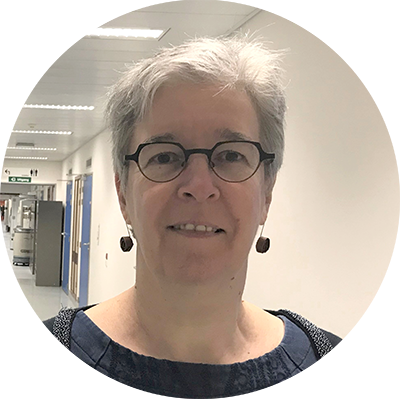
An Zwijsen
Professor at the Department of Cardiovascular Sciences
KU Leuven, Belgium
An Zwijsen is a developmental biologist. She received her PhD at the University of Antwerp in 1995. She was EMBO and ESF post-doctoral fellow with Christine Mummery at the Hubrecht Laboratory (NIOB, Utrecht, The Netherlands). Here, she became interested in the context dependent role of TGFβ signaling in the mouse embryo. After her return to Belgium, she joined Danny Huylebroeck in the Laboratory of Molecular Biology (Celgen) (VIB, University of Leuven, Belgium) in mid-1997, where she started studying BMP signaling. She became a KU Leuven faculty member in 2004 in the department of Human Genetics. She established her own lab – the Laboratory of Developmental Signaling – and was VIB groupleader (VIB Center for the Biology of Disease) in 2008-2015. In 2017, she joined with her team the Department of Cardiovascular Sciences, where she continues her research on the role of BMP signaling in vascular and lymphatic development and remodeling. She is a full Professor and coordinates several courses at KU Leuven and Kulak. She is also the president of the Ethics Committee for Animal Experimentation of KU Leuven.

Kari Alitalo
Director of the Translational Cancer Medicine Research Program and Scientific Director of the iCAN Digital Precision Cancer Medicine Flagship in the Faculty of Medicine at the University of Helsinki, Finland
Director of the Wihuri Research Institute
Kari Alitalo obtained an M.D. and Ph.D. in Medical Science from the University of Helsinki, Finland. He has previously worked as Professor of Medical Biochemistry, in University of Turku, Finland, as Research Professor in the Finnish Cancer Institute, and as Director of the Academy of Finland Centre of Excellence in Translational Cancer Biology at the University of Helsinki and University of Turku.
Dr. Alitalo and collaborators work on translational aspects of vascular growth factors in development, physiology and in human cancer, cardiovascular and neurological diseases, and obesity. Of special interest are the angiopoietins and their Tie1 and Tie2 receptor complex, lymphangiogenic growth factor VEGF-C and its receptor VEGFR-3, and VEGF-B as a growth factor for coronary and adipose vasculature. The laboratory has demonstrated VEGF-C induced tumor lymphangiogenesis and metastasis and developed inhibitors of the VEGFR-3 signal transduction pathway, which are in phase two clinical trials in age-related macular degeneration and diabetic macular edema, and growth factor therapy for lymphedema, which has gone through a phase two clinical trial. A recent finding by the laboratory was the discovery of meningeal lymphatic vessels.
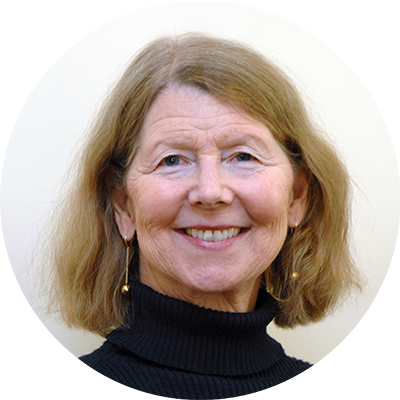
Joyce Bischoff
Ensign Professor of Medicine (Cardiology) and Professor of Cellular And Molecular Physiology, Boston Children’s Hospital and Harvard Medical School, Boston, USA
Co-Director, Yale Cardiovascular Research Center (YCVRC)
The lab of Joyce Bischoff is dedicated to uncovering mechanisms that cause vascular malformations, vascular tumors and drive endothelial plasticity. She embarked on this research when she was recruited to Boston Children’s Hospital and Harvard Medical School as an Assistant Professor. She soon became intrigued by the unique vascular overgrowth in infantile hemangioma (IH) and studied it through collaborations with Dr. John Mulliken, a vascular anomalies pioneer at Boston Children’s Hospital. They identified a unique vasculogenic cell that forms IH-like vessels in mice. Their recent work showed the non-beta blocker enantiomer of propranolol blocks endothelial differentiation in vitro and IH vessel formation in vivo by disrupting the transcription factor SOX18.
Over the last several years, she has expanded her research to vascular malformations. The team showed human endothelial cells (EC) transduced to express a somatic activating mutation in TIE2 are sufficient to create venous malformations in immune-deficient mice, and that rapamycin can stop the venous malformation enlargement in the mouse model. This led to a phase 2a clinical trial. They also showed the somatic activating mutation in GNAQ, found in skin and brain capillary malformations (CM), is enriched in ECs from these lesions, which pinpoints the cellular context for elucidating disease mechanisms. They recently showed endothelial cells expressing the mutant allele are sufficient to form CM-like vessels in mice and that ANGPT2 is involved in the abnormal CM vessel formation.